
Fussy Eating in Children: When to Seek Help and What Parents Can Do
If your child currently eats a very small selection of foods, you are certainly not alone.
Perhaps they lived happily on yoghurt, crackers and bananas for months, and then suddenly decided that pasta is unacceptable. Maybe foods they used to love are now pushed away, or every family meal has become a negotiation involving “just one more bite”.
Parents often wonder - Should I just wait it out?
Fussy eating is common in childhood, particularly during the toddler and preschool years. Children are developing their independence, learning about new tastes and textures, and becoming more aware of how much control they have over what happens at mealtimes.
The good news is that many children who are fussy eaters are still eating enough to support healthy growth and development. If your child is generally well, has good energy, is growing as expected and eats at least some foods from the main food groups, their eating may be within the broad range of typical childhood behaviour.
But fussy eating is not always something families need to simply “wait out”. Sometimes a child’s limited eating is affecting their nutrition, growth, wellbeing or participation in everyday life. This is when extra support is needed.
What does typical fussy eating look like?
Typical fussy eating can look different from child to child. It may include:
- Refusing a food one day but eating it happily another day.
- Preferring foods to be separate.
- Eating a reasonable variety of foods but refusing unfamiliar ones.
- Going through phases of eating very little at one meal and more at another.
- Becoming more selective when tired, unwell or going through a period of change.
- Continuing to grow and develop well.
It is also very common for children to be cautious about new foods. A new food can look, smell or feel unfamiliar before a child has even considered tasting it. Exploring food by touching, smelling, licking or taking a tiny bite is still part of learning.
Try to look at your child’s eating over the course of a week rather than judging it by one meal- or even one day. Appetite naturally varies, and a child who eats very little at lunch may be hungrier at afternoon tea or dinner.

Food groups
Fruits and vegetables, grains, meat and alternative proteins, dairy foods.
When should I be more concerned?
It is worth seeking professional advice if your child:
- Is not gaining weight or growing as expected.
- Has lost weight or had a noticeable change in their eating.
- Eats a very small range of foods.
- Refuses an entire food group.
- Has very little food variety and you are worried about iron, fibre, protein or other nutrients.
- Regularly gags or appears distressed when eating.
- Experiences pain, reflux, vomiting, constipation or significant discomfort around food.
- Has difficulty chewing, managing textures or progressing beyond purees and soft foods.
- Becomes anxious, upset or fearful around new foods.
- Avoids eating at childcare, school, parties or social events.
- Requires separate meals and family mealtimes have become a constant source of stress.
You do not need to wait until the situation becomes severe before asking for help. Speaking with a GP, child and family health nurse or paediatric dietitian can help.
Is my child eating enough?
This is one of the most common questions I hear from parents—and it is completely understandable.
It can be difficult to judge intake when your child refuses the meal you prepared, eats three bites of dinner or seems to survive on snacks. But the amount a child eats can vary considerably from meal to meal.
Rather than focusing only on quantity, consider:
- Is your child following their usual growth pattern?
- Do they have energy to play, learn and participate in everyday activities?
- Are they eating foods from all food groups?
- Are they managing meals and drinks comfortably?
- Has their food intake changed suddenly?
- Is eating affecting their mood, energy, sleep or social life?
Growth is one important piece of the picture, but it is not the only one. A child can be growing adequately while still having a highly restricted diet, nutritional gaps or significant anxiety around eating. Equally, a child who appears to eat very little at one meal may be meeting their needs across the day.
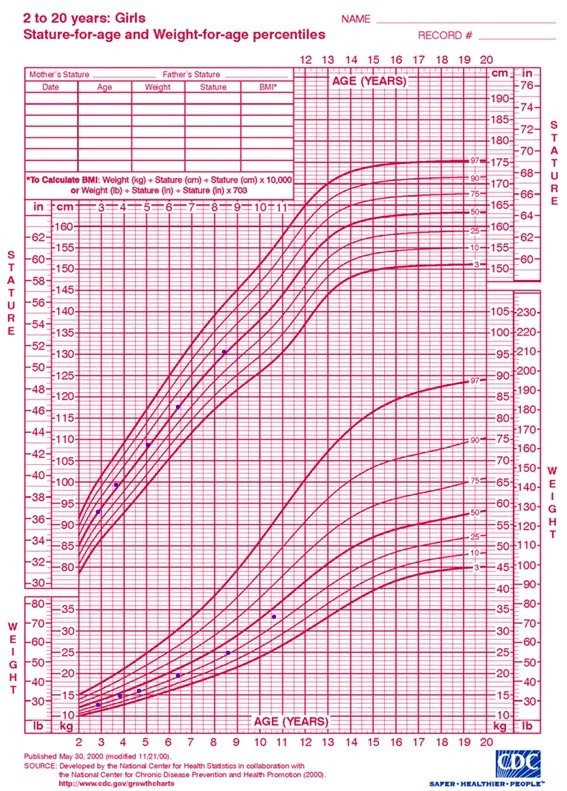
Growth chart:
Weight and Height tracking as expected.
What can I do at home?
The goal is not to make every meal perfect. The goal is to create regular, low-pressure opportunities for your child to eat and learn about food.
A few strategies that can help include:
- Include at least one food your child usually accepts alongside the family meal.
- Let your child decide whether to eat and how much to eat from the food offered.
- Continue offering unfamiliar foods without pressure, bribery or forcing.
- Allow your child to explore food with their hands, eyes and nose before expecting them to taste it.
- Eat together when possible and model enjoying a range of foods.
- Keep mealtimes calm.
When it is time to ask for help
If you are worried about your child’s eating, trust that concern. You do not need to prove that the problem is “bad enough” before speaking with someone.
A GP can assess growth, symptoms and general health. A paediatric dietitian can review nutritional intake, identify possible gaps and help you build a realistic plan for meals and snacks/variety. Depending on the concern, your child may also benefit from support from a feeding speech pathologist, occupational therapist or psychologist as part of a broader feeding team.
For some children, highly restricted eating may be related to sensory sensitivities, neurodivergence, anxiety, oral-motor difficulties, gastrointestinal symptoms or avoidant/restrictive food intake disorder (ARFID). ARFID is more than ordinary picky eating and can affect nutrition, growth, health or daily life.
The earlier families receive the right support, the more opportunity there is to reduce mealtime stress and protect a child’s positive relationship with food.

Are they getting the vitamins and minerals?
A Paediatric Dietitian can perform detailed nutrient analysis to support your child and develop a plan to fill the gaps.
The takeaway
Fussy eating is common, and many children move through selective phases without lasting problems. But you should seek advice if eating is affecting your child’s growth, nutrition, comfort, emotional wellbeing or ability to participate in family and social life.
You are not failing as a parent, and your child is not being deliberately difficult. Feeding challenges are complex, and practical, individualised support can help you understand what is happening and what to do next.
If you would like support with your child’s eating, growth, food variety or mealtime stress, contact Ash at Nourish Paediatrics.
Written by:
Ashleigh Mitchell
Accredited Practising Dietitian (APD Bsc, BND, HONS 1)
Paediatric Dietitian
Accredited Sports Dietitian for kids
This article is for general information only and does not replace individual medical or nutrition advice. If your child is losing weight, experiencing pain, choking or breathing difficulties during meals, speak with your GP or treating health professional.